
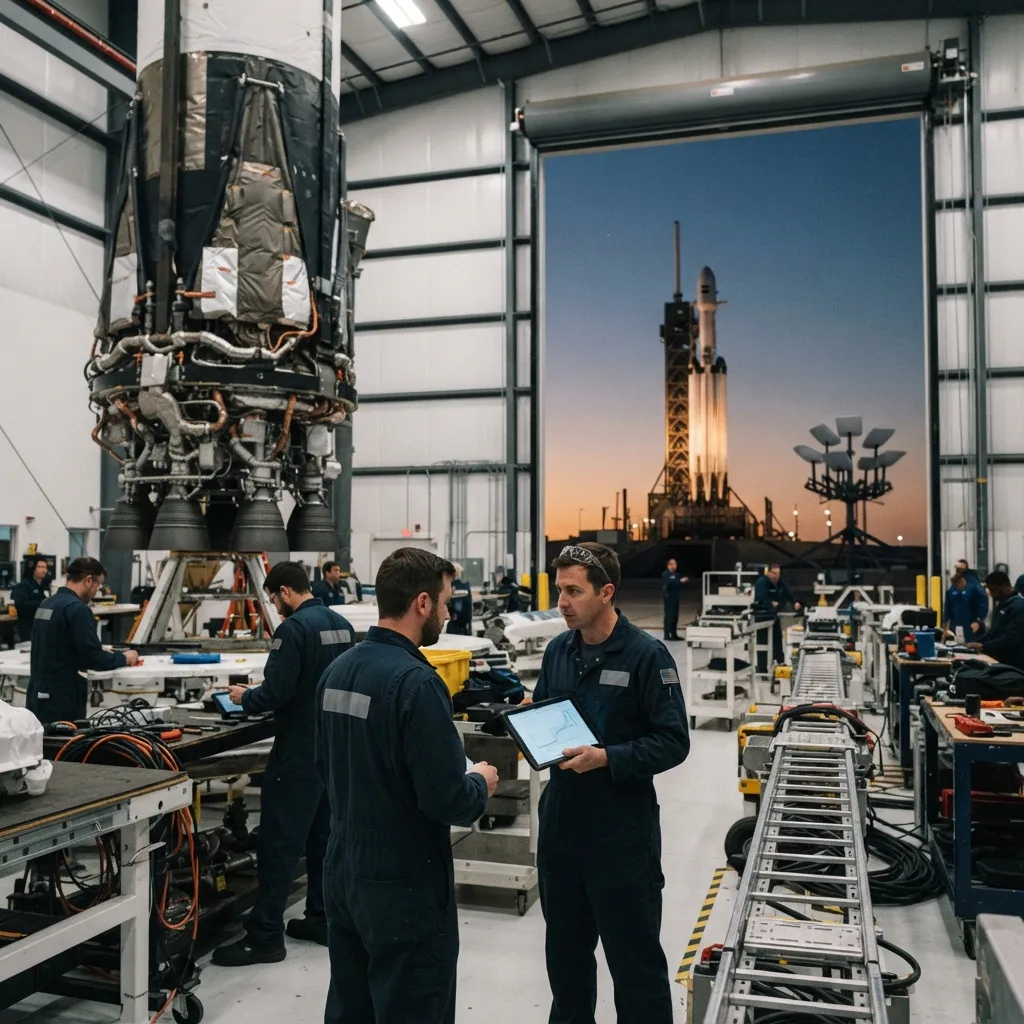
SpaceX is attempting a feat as ambitious as its Mars missions, transitioning from a private powerhouse to a public entity while juggling three distinct, high-growth businesses. The company has already signaled its strength by posting a net profit in its first quarter as a public firm, driven largely by its dominance in rocket launches and the rapid expansion of Starlink. With Elon Musk envisioning thousands of annual flights from a massive new Louisiana base by 2029 and the successful implementation of reusable spacecraft, the operational side of the business looks poised for unprecedented scale.
While rockets capture the headlines, Starlink and the newly integrated Superintelligence AI segment are providing the financial fuel. Starlink has expanded its footprint to 174 countries and secured partnerships with major airlines, reporting a staggering sixty nine percent jump in quarterly revenue. Meanwhile, the AI division is scaling aggressively through massive data center clusters like Colossus I and II. Musk believes these efforts could push annual recurring revenue toward figures between five hundred billion and one trillion dollars next year, though such projections remain breathtakingly optimistic even by Silicon Valley standards.
Despite this momentum, investors face a complex calculation regarding the actual value of the stock over the next few years. Currently trading at fifty five times trailing twelve month sales, SpaceX carries an expensive valuation that may be difficult to sustain long term. There is also the looming risk of regulatory shifts that could stifle AI development or space exploration timelines. If the company manages a steady eighty percent compound annual growth rate over three years, some analysts suggest it could reach a market cap of nearly five trillion dollars, representing a significant leap from current prices. Whether it hits those heights depends on if reality can keep pace with Musk’s vision.