
- Two U.S. senators have proposed a bipartisan amendment to the Sports Broadcasting Act of 1961.
- The proposal would allow colleges to pool their media rights to generate more revenue for all schools.
- The Big Ten and SEC conferences have previously pushed back against the idea of pooling media rights.
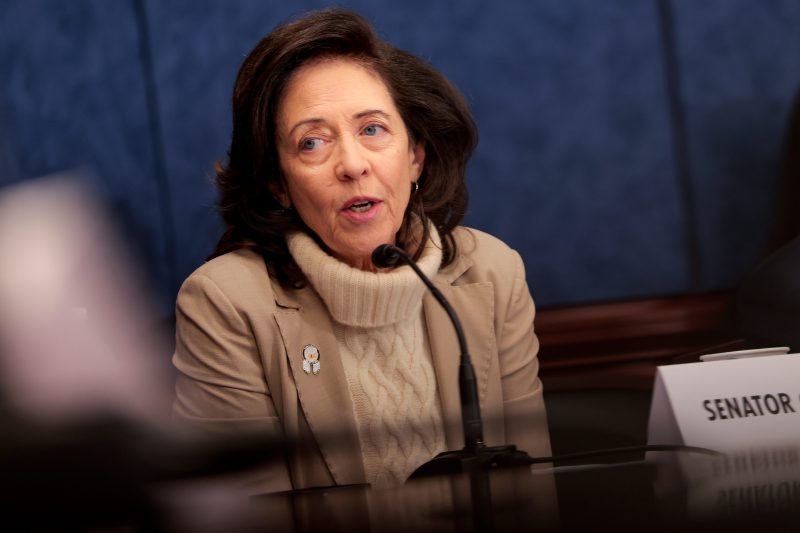
In a move that could lead to massive change in college sports, two U.S. senators from opposing political parties have proposed an amendment to the Sports Broadcasting Act of 1961 that would allow colleges to pool their media rights in an effort to grow revenue and ‘stabilize’ college sports.
The proposed legislation is bipartisan and came on Friday, March 6, from Sen. Maria Cantwell (D-WA) and Sen. Eric Schmitt (R-MO), both members of the Commerce, Science and Transportation Committee. They released a discussion draft of the ‘College Sports Competitive Act,’ which would amend the Sports Broadcasting Act, a 65-year-old law that exempted professional sports leagues from antitrust laws and allowed them to pool their television rights but didn’t do the same for college sports.
The proposal comes as college sports faces a crisis of huge new expenses from revenue-sharing with players, up to $20.5 million per school starting in 2025 under terms of the House vs. NCAA legal settlement.
“If we don’t address the revenue problem, college sports, as we know and love them, will slowly disappear,” Schmitt said in a statement. “This is a serious problem, and Congress needs to provide real solutions to help alleviate the pressure being put on schools. Allowing conferences and universities to voluntarily pool and sell their media rights together can unlock new revenue streams while preserving the broad-based athletic programs that make college sports the institution it is today.”
Pushback expected from Big Ten and SEC
The bill would “unlock collective media deals to potentially generate billions in new revenue for college sports,” according to the release from the committee. It would allow colleges and conferences to voluntarily participate in the pooled media rights.
But not everybody agrees with this as a possible solution. The Big Ten and Southeastern conferences have pushed back against this idea and recently commissioned a study that said pooling media rights wouldn’t produce more revenue. Those two conferences also are the two richest leagues in college sports and have a stake in keeping the status quo instead of sharing revenue with other leagues.
The draft bill aims to ensure that all schools receive more media rights revenue than they received in the 2024-25 academic year while giving all schools a percentage of new revenue. It also allows performance-based awards for schools that drive viewership revenue and reach the playoffs.
A 14-member board would ensure representation of rich leagues
To address the concerns of the richest leagues, it proposes to create a 14-member board that “fairly represents the institutions that generate the most revenue.”
Cantwell said it would help women’s sports and ensure they won’t be cut.
‘With women’s sports, Olympic sports, and other sports losing scholarships and roster slots every year, it is time to reverse the damage,” Cantwell said in a statement. “Opening the Sports Broadcasting Act to college sports allows more revenue to be generated from sports viewing, and that new revenue can go toward supporting and growing opportunities in women’s and Olympic sports while still protecting consumers from being over-charged by having sports events behind pay walls. Fans should not have to pay extra to watch their home teams play on TV.’
Follow reporter Brent Schrotenboer @Schrotenboer. Email: bschrotenb@usatoday.com